Planning a Resilient Home Plumbing Strategy That Lasts
Homeowners evaluating plumbing work benefit from a structured plan that scopes current conditions and future needs. Start with a whole-home walkthrough to map fixtures, shutoff valves, and aging components. Document known issues like slow drains, recurring leaks, or weak water pressure. Establish priorities by risk, not just convenience, so safety and property protection stay first. This upfront assessment streamlines discussions with a plumber and helps align expectations, timeline, and budget.
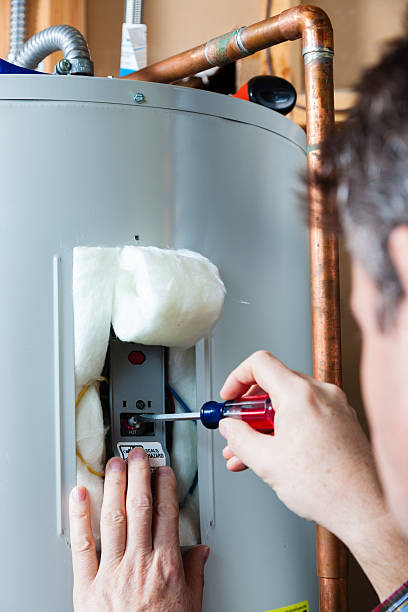
Beyond that, consider lifecycle timing for critical systems. Water heaters, supply lines, and shutoff assemblies age differently, and their replacement windows rarely match. Sequencing upgrades together can reduce repeat visits, wall openings, and permit touchpoints. For example, pairing Water Heater Repair & Replacement with a mixing valve update and expansion tank check can consolidate labor and minimize downtime. Bundling smartly improves reliability while preserving room for later remodels or efficiency upgrades.
However, quality control hinges on materials and compatibility. Verify piping types, fittings, and fixture specs match existing infrastructure, local codes, and water chemistry. Hard water may necessitate Water Softener & Filtration Systems to protect new fixtures and valves from scale. Validate that selected finishes have readily available parts for future service. Choosing standardized components simplifies maintenance, shortens repair lead times, and avoids abandoning usable lines due to obscure connections.
Meanwhile, develop a maintenance calendar rooted in risk. Drain Cleaning at predictable intervals can preempt backups from grease, lint, or tree roots. Sump Pumps & Drainage Systems deserve seasonal checks before heavy rain, including float travel, discharge integrity, and power redundancy. Inspect accessible traps and supply lines during routine house care. Small, scheduled tasks buffer against emergencies and create a record of diligence that supports warranty discussions and insurance needs.
Then, integrate leak prevention into daily operations. Install accessible, clearly labeled shutoffs at sinks, toilets, and appliances to shorten response time. Assess under-sink storage to keep valves unobstructed. Add water alarms or smart sensors in basements, near heaters, and by laundry appliances for early alerts. In practice, pairing Leak Detection & Pipe Repair with insulation and strapping upgrades can stabilize lines against vibration, thermal movement, and accidental bumps during regular use.
Often, remodel aspirations overlap with plumbing realities. Bathroom & Kitchen Remodel Plumbing benefits from early mapping of venting, drain fall, and fixture clearances. Stage rough-in work after structural and electrical paths are settled but before finishes are ordered. Confirm fixture rough dimensions with field measurements, not just catalog drawings. This sequencing reduces rework, protects tile and cabinetry, and keeps inspection milestones predictable while preserving options for future accessibility features.
Next, think about the hidden network beyond the walls. Sewer Line Inspection & Replacement decisions should be grounded in camera evidence, depth knowledge, and root-pressure patterns on your lot. Validate slope and material conditions before committing to spot fixes or full replacement. Where feasible, phase lining or sectional repairs to match budgets and yard restoration plans. Calibrate expectations about landscaping impacts so restoration timelines and curb appeal stay on track.
Additionally, factor service responsiveness into risk planning. Emergency Plumbing Services provide a backstop, but proactive steps reduce after-hours calls. Maintain a concise home dossier with valve locations, appliance model numbers, water heater age, and prior repair notes. Keep clear photos of crawlspace access and exterior cleanouts to speed triage. This documentation helps any technician stage the right tools and parts, compressing onsite time and improving first-visit outcomes.
Similarly, small businesses and homeowners share many needs, yet Light Commercial Plumbing adds occupancy, fixture count, and code intensity to the equation. Validate backflow requirements, fixture load calculations, and grease management where applicable. Align service windows to minimize disruption, and document testing cycles for regulators or landlords. Creating a repeatable maintenance rhythm across locations preserves consistency, simplifies audits, and sustains predictable operating costs without surprise shutdowns.
Finally, budgeting benefits from contingency planning and transparency about unknowns. Older homes hide mixed materials, buried valves, or patched lines that resist clean disassembly. Build a buffer for discovery and agree on decision thresholds before opening walls or trenches. When options arise, weigh durability, serviceability, and water efficiency together. A measured approach, anchored in inspection, sequencing, and clear documentation, delivers plumbing systems that perform reliably through seasons and remodel cycles.